
good for you and good for the planet
Your body has to carry you through every chapter of your life—from your busiest workdays and family vacations, to hiking mountains, playing with your grandchildren, or simply getting out of bed without aches and pains. The choices you make today will determine how well your body serves you years from now.
I do most of the cooking in our house, and almost every day one—or both—of our children asks me the same question: “Dad, what’s for dinner tonight?” The answer they expect is usually the protein: chicken, salmon or steak.
I love good food. I enjoy fish, eggs, and a beautiful piece of meat, and I have no intention of giving them up. But feeling strong, energetic, and how well we age depends greatly on what we put on our plates every day.
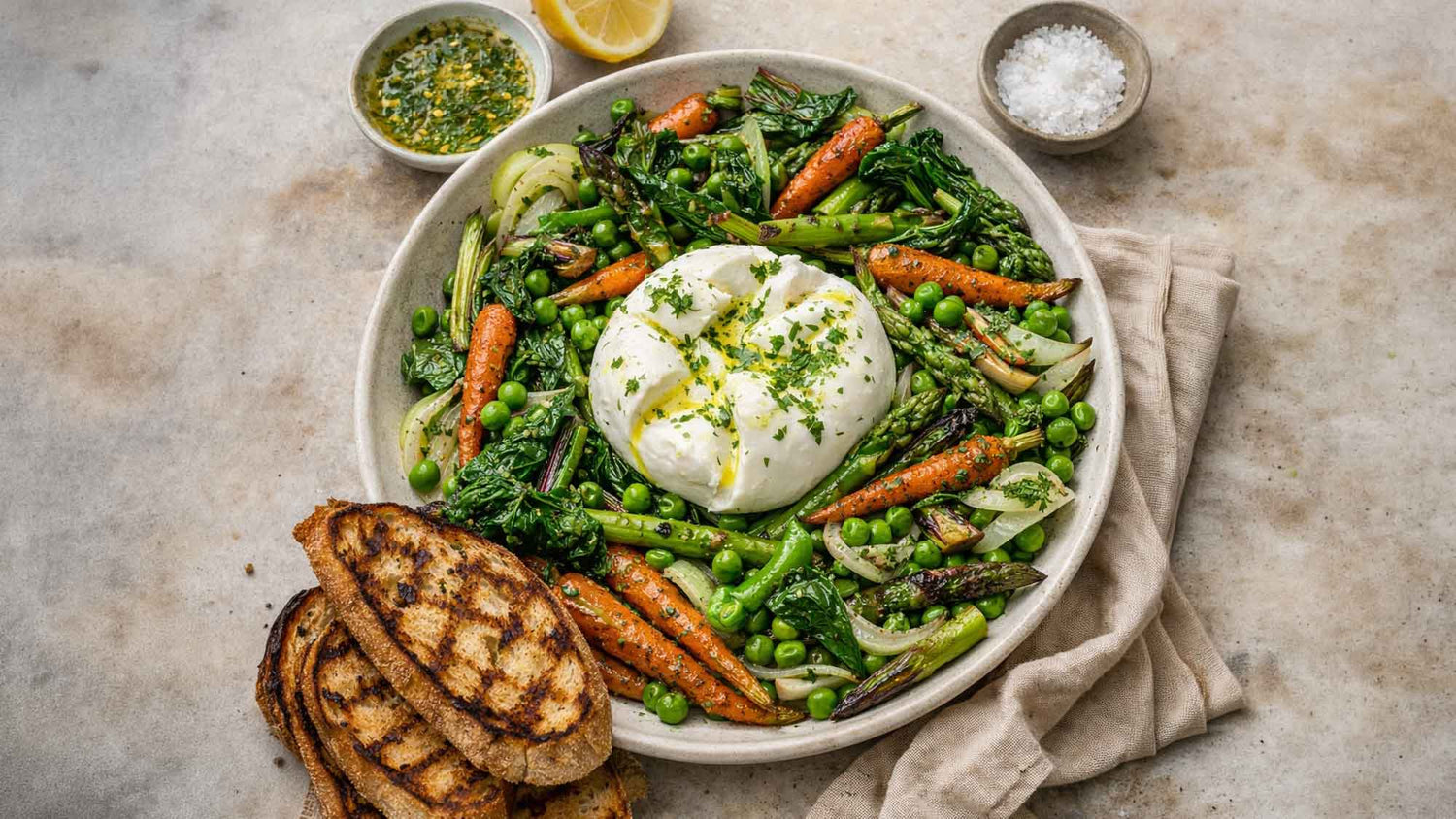
So, what if we turned the answer around? Instead of saying, “We’re having steak,” I might say, “We’re having grilled broccoli with garlic, crispy green beans with chili crunch—and a little steak alongside.” That is plant-forward eating.
Plant-forward does not mean becoming vegetarian. It simply means allowing vegetables, fruits, beans, nuts, seeds, and whole grains to play a bigger role in our meals. Instead of treating vegetables as a small side dish, we make them part of the main event.
Plants provide fiber and a wide variety of vitamins, minerals, and antioxidants. They also bring color, texture, and incredible flavor to food.
The greater the variety on our plates, the broader the range of nutrients we give our bodies. A simple place to begin is by filling about half your plate with vegetables. Then add a good source of protein, some healthy fat and a sensible portion of carbohydrates that work for you.
It’s also important to understand that plant-forward eating does not mean you will develop a protein deficiency. In fact, many plant foods contain meaningful amounts of protein and can contribute significantly to your daily needs when eaten in variety and in sufficient in quantity.
If you are focusing specifically on plant-based protein density, here are eight of the richest non-animal sources from fruits, vegetables, nuts and seeds:
Fruits
- Guava: ~4.2g protein per cup
- Avocado: ~3g protein per cup
Vegetables
- Edamame (young soybeans): ~18g protein per cup
- Spinach (cooked): ~5g protein per cup
Nuts
- Peanuts (and peanut butter): ~7g protein per 2 tablespoons
- Almonds: ~6g protein per ounce
Seeds
- Hemp seeds: ~10g protein per 3 tablespoons
- Pumpkin seeds: ~8g protein per ounce
You could try:
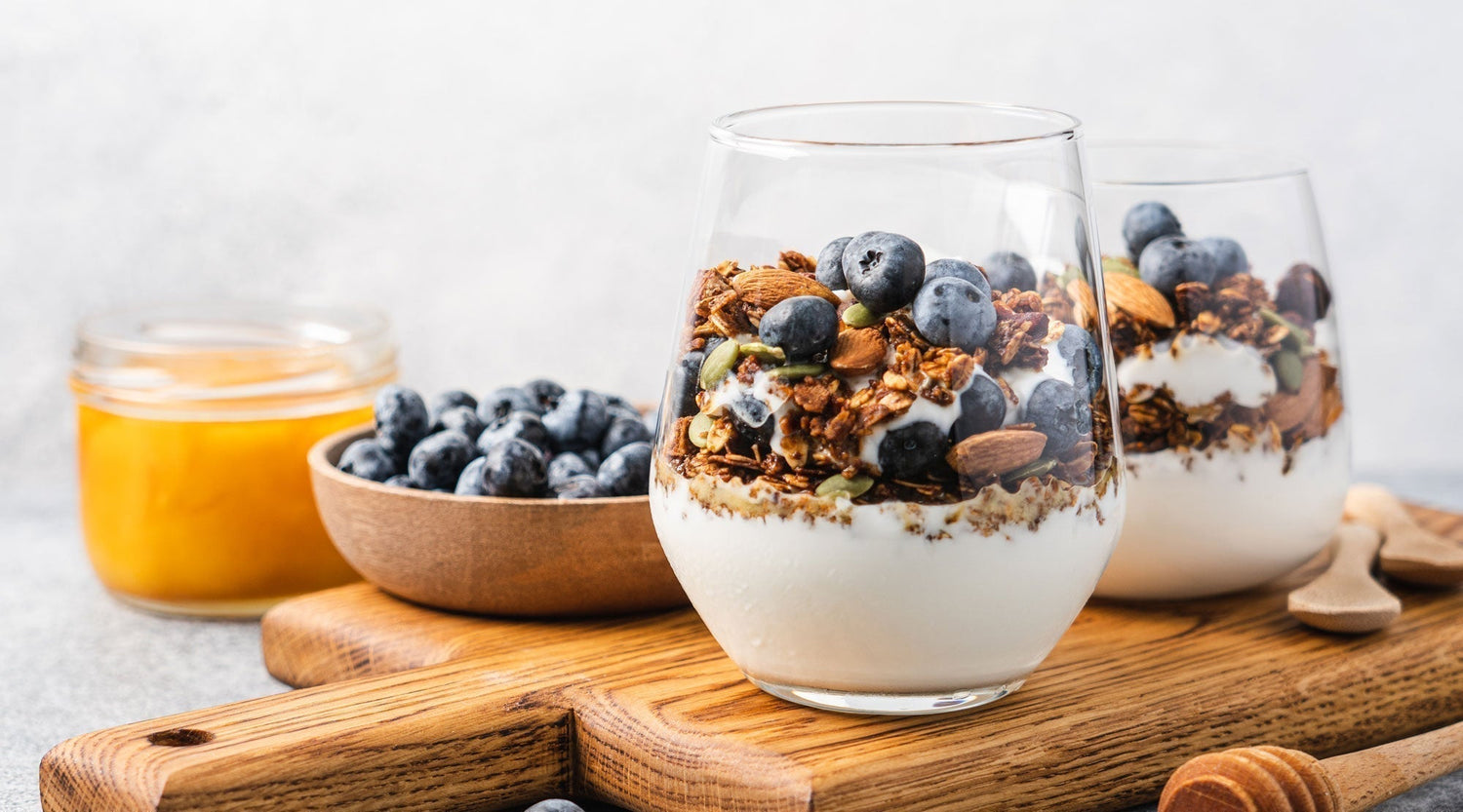
- Adding berries, nuts or seeds to breakfast
- Making a colorful salad the heart of lunch
- Roasting several different vegetables together
- Adding beans or lentils to soups, salads, and stews
- Replacing some of the meat in a meal with mushrooms, chickpeas or extra vegetables
- Keeping fruit and nuts nearby for an easy snack
my own approach is about balance
I still prioritize protein because maintaining muscle becomes increasingly important as we grow older. I also take Just Björn Marine Collagen as part of my daily routine—but supplements should always complement nutritious food, not replace it.
Eating more plants can also be a positive choice for the planet. Producing plant-based foods generally requires fewer resources and creates fewer greenhouse-gas emissions than producing meat—particularly beef and lamb. We do not have to eliminate meat completely to make a difference. Simply making plants the star of more meals, using smaller portions of meat and wasting less food can help reduce our environmental footprint.
This is not about perfection, strict rules or giving up everything we enjoy. It is about making room for more plants—adding more color and more variety. Perhaps the next time the children ask, “Dad, what’s for dinner?” I’ll begin with the vegetables…and then mention the steak.